
From cherry blossoms and summer festivals to autumn color and snow-covered temples, Japan offers a completely different experience in every season.
BY SIMPLISTIC JOURNEYS · 8 MIN READ
Japan is one of those destinations that can feel completely different depending on when you go. Each season brings its own atmosphere, experiences, and reasons to visit. The best time to visit Japan depends less on finding one “perfect” month and more on deciding what kind of experience you want.
Spring is one of Japan’s most popular travel seasons, and cherry blossom season is a major reason why.
In Tokyo and other parts of central Japan, blossoms typically begin appearing from late March into early April, although exact timing changes from year to year. Parks, riversides, temple grounds, and neighborhoods take on an entirely different atmosphere during this period.
The weather is generally comfortable for sightseeing, with cooler mornings and evenings and pleasant daytime temperatures.
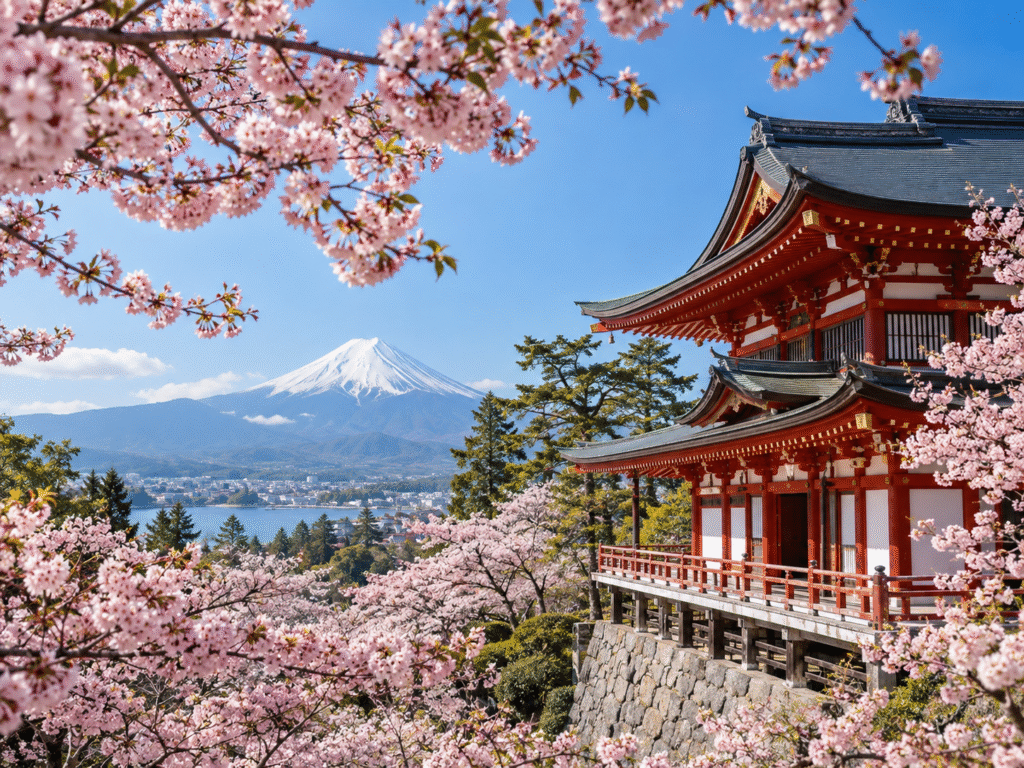
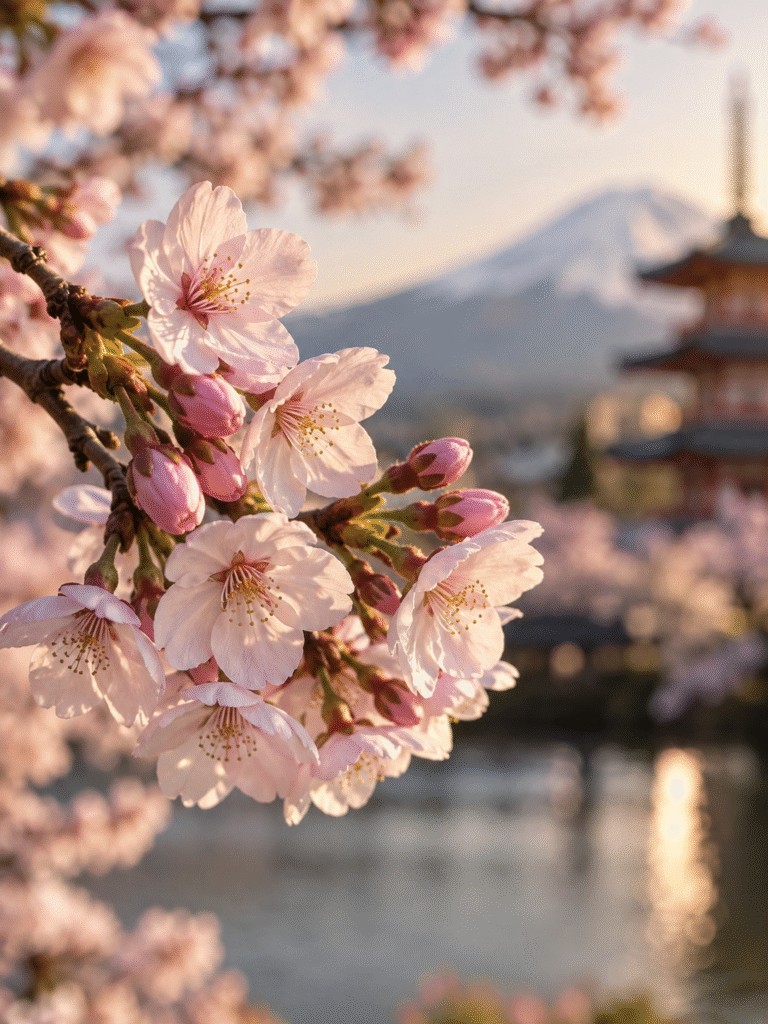
The biggest consideration is timing. Cherry blossom season is beautiful, but it is also one of Japan’s busiest travel periods. Bloom dates vary from year to year, and popular destinations can book quickly, so flexibility and early planning can make a significant difference.
“No matter the season, Japan has a way of making you feel like you’re exactly where you’re meant to be.”
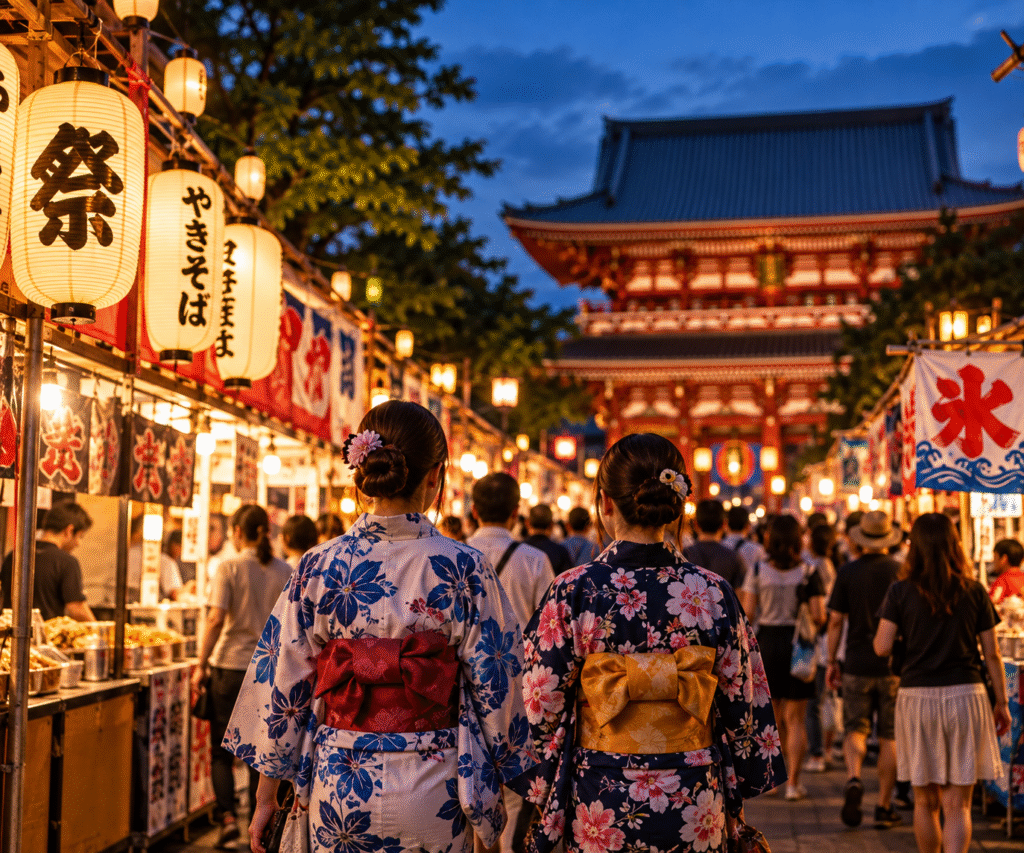
Summer in Japan is lively, colorful, and full of energy. It is also the warmest and most humid time of year, particularly in cities such as Tokyo, Kyoto, and Osaka. Travelers who are comfortable with heat will find a season filled with festivals, fireworks, seasonal foods, and long days for exploring.
June often brings the start of the rainy season across much of the country. Rain does not necessarily mean an entire day is lost, but travelers should expect periods of heavier rainfall and higher humidity. By July and August, temperatures rise and summer festival season is in full swing.
This is a particularly rewarding time for travelers interested in traditional celebrations, evening events, and Japan’s more energetic side. It can also be a good season for exploring cooler mountain regions or combining city stays with time outside the major urban centers.
The biggest consideration is the heat. Sightseeing days may require a slower pace, more breaks, and careful planning around the hottest parts of the afternoon.
Autumn in Japan is one of the most rewarding times to visit. Temperatures begin to cool, humidity drops, and the country gradually shifts into rich shades of red, orange, and gold. For many travelers, this season offers some of the best overall conditions for sightseeing.
September can still feel warm, especially in major cities, and early autumn may bring some unsettled weather. By October and November, conditions are generally more comfortable, making it easier to spend long days exploring neighborhoods, gardens, temples, and outdoor attractions.
Autumn foliage begins earlier in northern and higher-elevation areas before moving south through the country. The exact timing varies by region, but late October through November is often especially popular for travelers hoping to experience fall color in places such as Kyoto, Nikko, and the Japanese Alps.
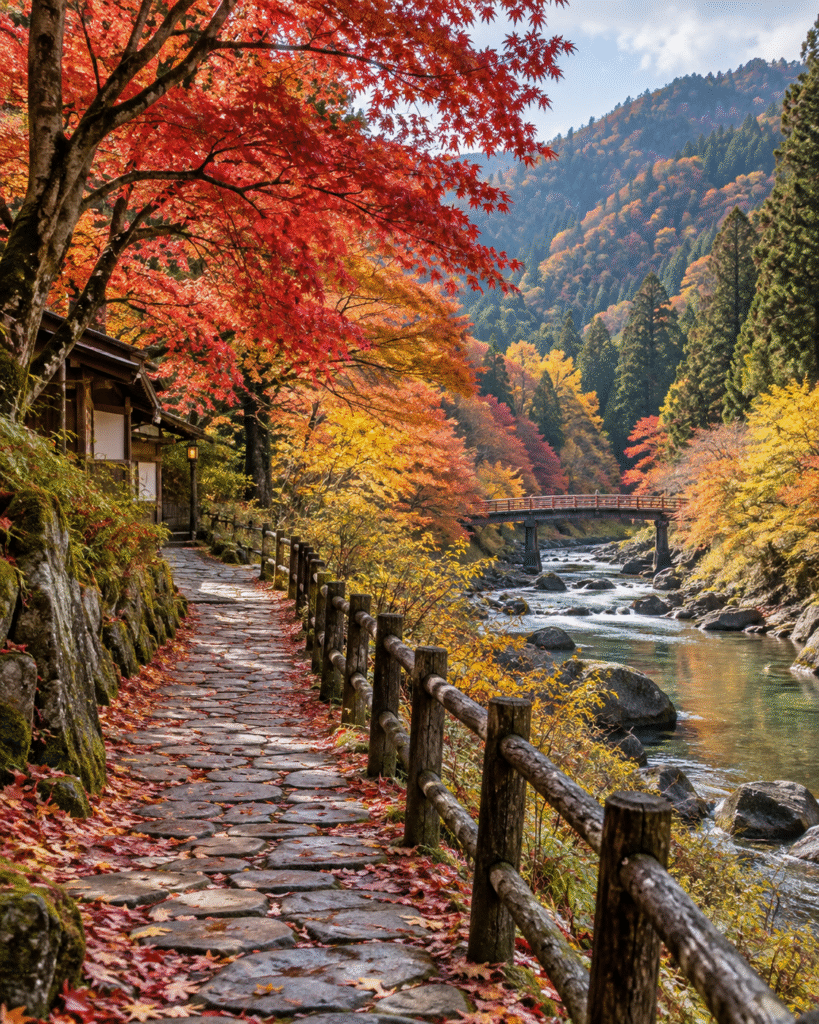
The biggest consideration is timing. Peak foliage varies by region and from year to year, and the most popular destinations can become busy during prime viewing periods. Booking accommodations and key experiences in advance gives you more flexibility, especially for Kyoto and other well-known fall destinations.
Winter in Japan offers a completely different experience from the busier spring and autumn seasons. Cities are generally quieter, the air is crisp, and snow transforms many mountain regions into some of the country’s most striking landscapes.
December often feels festive without being overwhelmingly crowded, especially outside the major holiday periods. January and February bring colder temperatures and deeper snow in northern Japan and the Japanese Alps, making this an ideal season for hot springs, winter scenery, skiing, and slower-paced travel.
Even in cities such as Tokyo and Kyoto, winter can be rewarding. Clearer skies, seasonal illuminations, fewer crowds at many attractions, and a more relaxed pace can make sightseeing especially enjoyable for travelers who do not mind the cold.
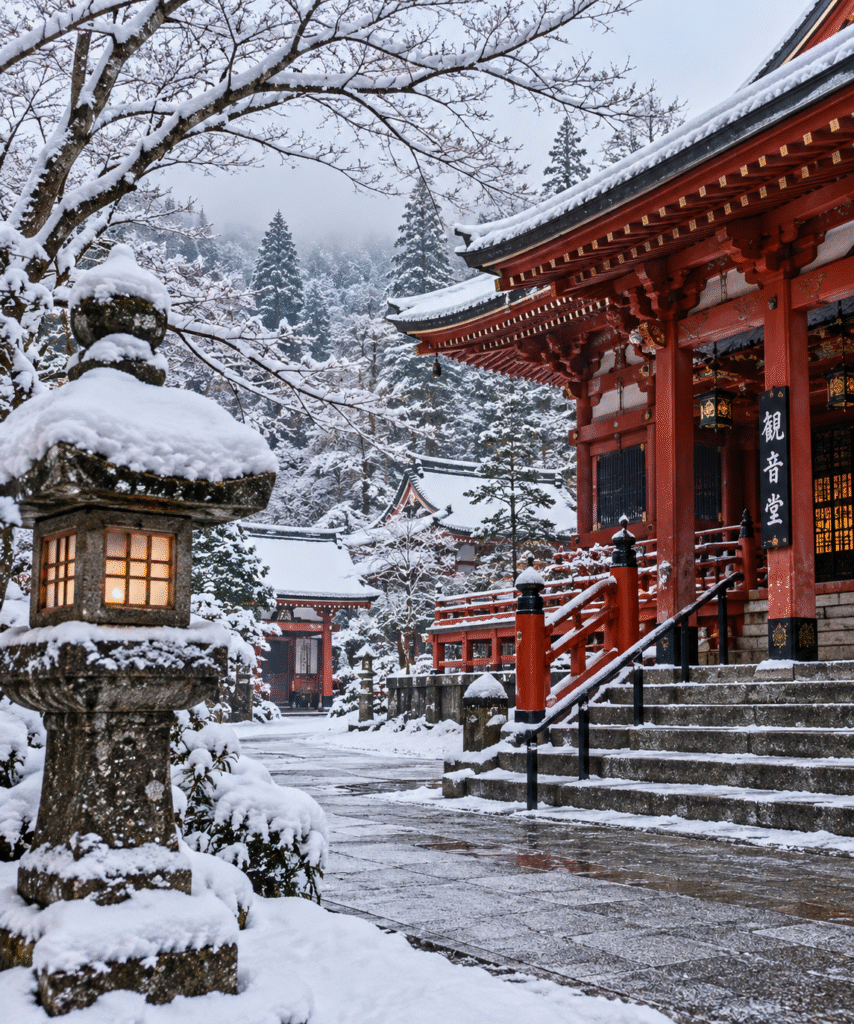
The biggest consideration is the weather. Temperatures can be cold, particularly in northern and mountainous regions, and some seasonal attractions may have limited hours. Packing properly and allowing extra time for weather-related changes can make winter travel much more comfortable.
From fast-moving cities to quiet mountain retreats, Japan offers something memorable in every season.
Japan works year-round, but the best season depends on the experience you want most. Spring brings cherry blossoms and mild weather, autumn offers some of the most comfortable sightseeing conditions and dramatic color, summer is energetic and festival-filled, and winter delivers a quieter atmosphere with snow, hot springs, and seasonal scenery.
For a first visit, I would look most closely at spring or autumn. Both offer a strong balance of weather, scenery, and ease of exploring, with autumn often providing a little more flexibility than peak cherry blossom season.
Best Overall: Spring
Best Weather: Autumn
Best Value: Winter
Best for First-Time Visitors: Spring or Autumn

Whether Japan is your first visit or a return to explore more, Simplistic Journeys can help shape an experience around the season, pace, and places that matter most to you.