
There is a difference between learning about a destination and experiencing it for yourself.
My first Ghana travel experience took me from the energy of Accra to the living traditions of the Asante Region and the historic coastline of Cape Coast. Along the way, I encountered moments of discovery, celebration, and difficult reflection.
Some experiences unfolded as I expected. Others challenged my understanding, particularly my visits to Cape Coast and Elmina Castles.
Yet some of the most memorable moments happened beyond the scheduled activities. Conversations, craftsmanship, music, and everyday interactions revealed aspects of Ghana that no itinerary description could fully capture.
What began as an opportunity to explore a new destination became a journey that offered fresh perspectives on its history, culture, and people.
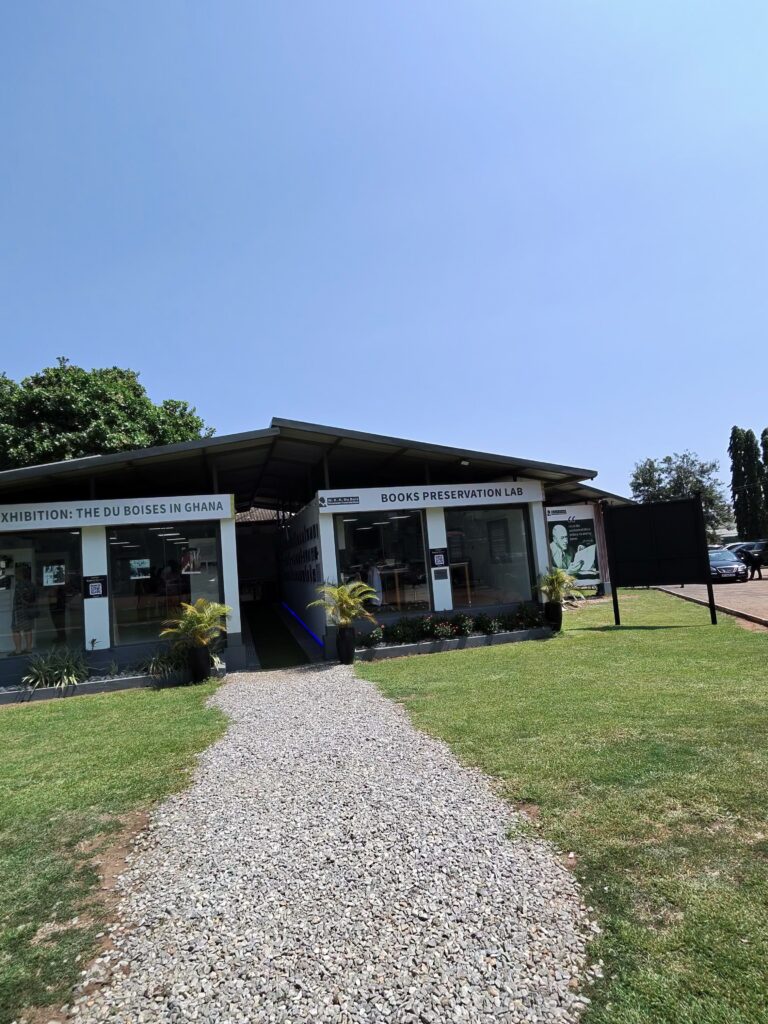
My introduction to Ghana began in Accra, a city full of movement, energy, and contrasts. After arriving and settling in, our first cultural stop was the W.E.B. Du Bois Memorial Centre for Pan-African Culture.
I knew of Du Bois and his contributions to African American history. However, visiting the place where he spent his final years brought a different perspective to his legacy.
Our guide shared details about his life in Ghana, including his arrival at age 92 and his work on the Encyclopedia Africana. Learning about his dedication to documenting African history offered insight into the intellectual connections between Ghana and the wider African diaspora.
What stayed with me was the significance of beginning my journey there. Before exploring the city’s landmarks or experiencing its nightlife, I had an opportunity to learn about someone who chose Ghana as the place to continue his life’s work.
As our time in Accra unfolded, the city revealed another side of itself. From the historical significance of Kwame Nkrumah Memorial Park and Black Star Square to the lively atmosphere of its markets, each experience offered something different.
One evening, we attended a jazz orchestra performance at a local jazz venue. It was an unexpected highlight and a reminder that Ghana’s cultural identity extends well beyond its historical landmarks.
Accra gave me my first glimpse of that balance between history and contemporary life. It also set the tone for what I would discover as we traveled farther into the country.
Leaving Accra, we traveled inland toward Kumasi, the cultural heart of the Asante Region. The journey itself was an opportunity to see another side of Ghana, away from the energy of the capital.
One of our first experiences was visiting Ntonso, where we learned about Adinkra symbols and their meanings. Rather than simply observing the process, we had the opportunity to create our own stamped cloth.
I selected symbols representing education, the power of love, God’s grace, and leadership. Each carried a meaning that resonated with me, making the experience more personal than choosing a pattern for its appearance alone.
During our visit, we also spent time interacting with children from a nearby school. They asked questions, we shared conversations, and those exchanges became another memorable part of the day.
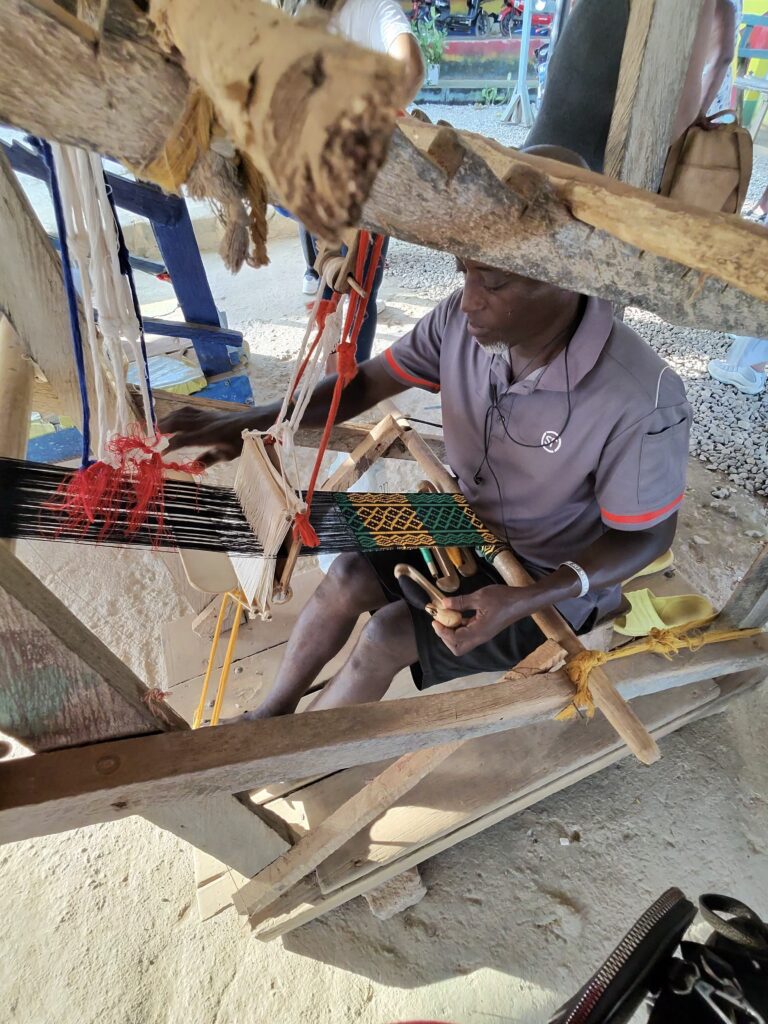
At a Kente weaving studio, we watched artisans work at traditional wooden looms. Seeing the coordination, patience, and precision involved gave me a new appreciation for the finished textiles.
The experience was about more than admiring beautiful fabric. It was an opportunity to see the people and craftsmanship behind a tradition that continues to hold cultural significance.
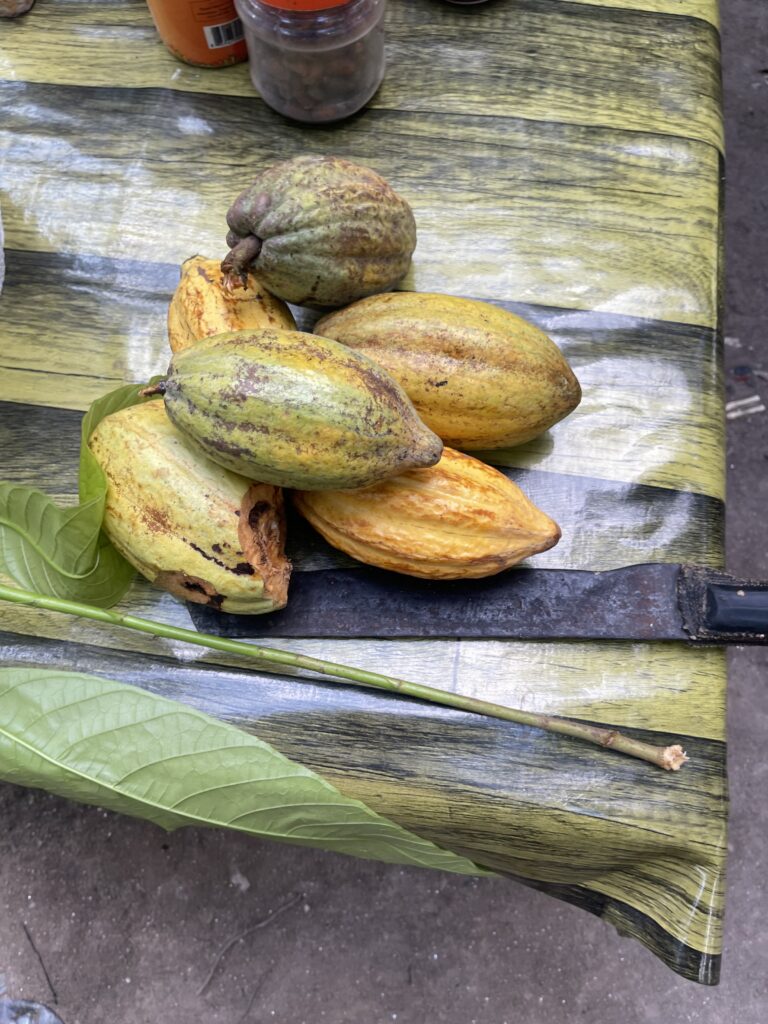
Our visit to a cocoa farm brought another hands-on learning experience. We saw cocoa growing, learned about its production, and tasted raw cocoa directly from the pod. It was quite different from the chocolate products we typically encounter at home.
We also visited the Asante Palace Museum, where we learned more about the kingdom’s leadership, traditions, and cultural heritage.
What I appreciated most about Kumasi was the opportunity to participate rather than simply observe. Whether stamping Adinkra symbols, watching artisans weave, or speaking with local residents, these experiences brought us closer to the people and practices that sustain the region’s cultural identity.
Kumasi gave me a different perspective on Ghana, one shaped by craftsmanship, community, and traditions that remain very much alive.
From Kumasi, our journey continued south toward Cape Coast. Before reaching the coast, we stopped at Assin Manso, where we participated in the Return to the Water ceremony.
Standing in the water, surrounded by others sharing that moment, brought emotions I hadn’t fully anticipated. There were hymns, quiet reflection, and an overwhelming sense of sadness mixed with gratitude. It was one of the most personal experiences of the journey.
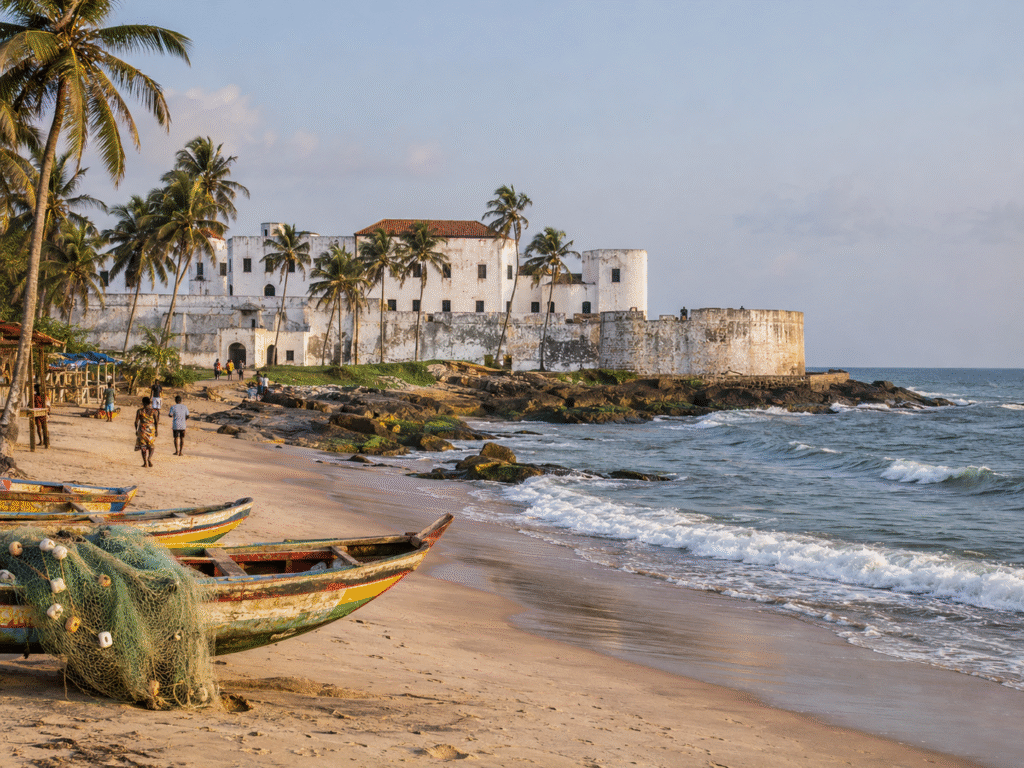
Our visit to Cape Coast Castle carried a different emotional weight.
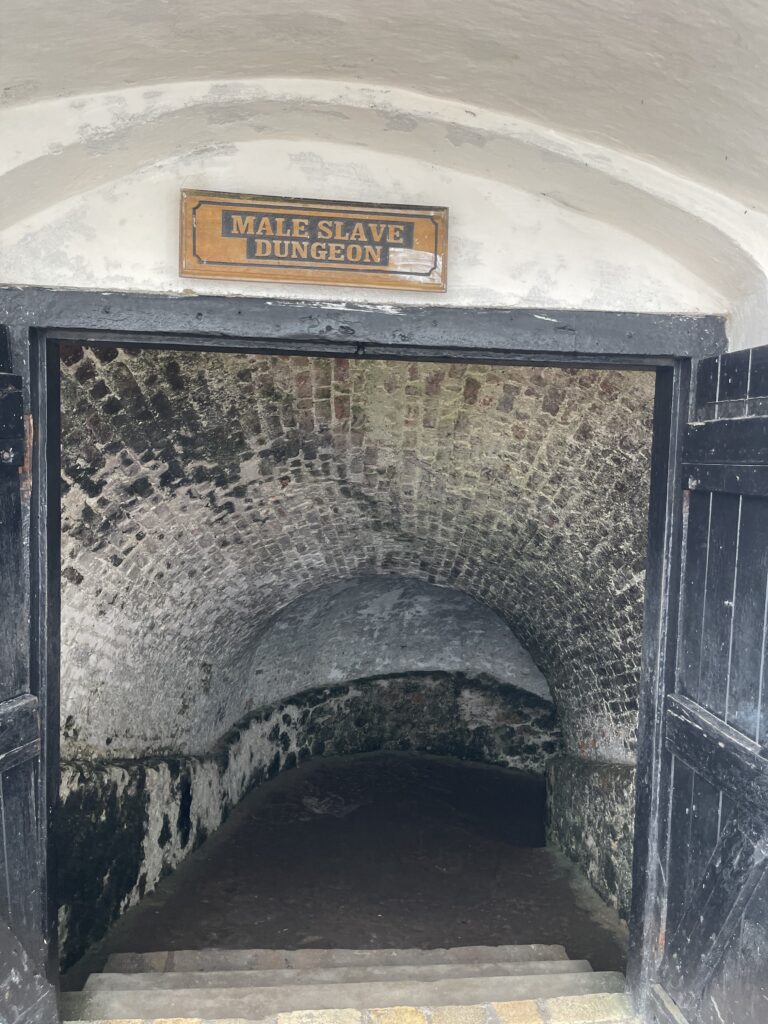
We entered both the male and female dungeons, where enslaved Africans endured unimaginable conditions. The heat, the confined spaces, and the darkness made the experience difficult.
Standing inside those chambers, I found myself thinking about the people who had been held there. I struggled with the reality of what the women endured, including sexual violence and the threat of death for refusing to comply.
It is one thing to learn about these atrocities through books or historical accounts. Standing where they occurred brought a different understanding.
I could feel the heaviness of the space. At times, the experience was almost overwhelming.
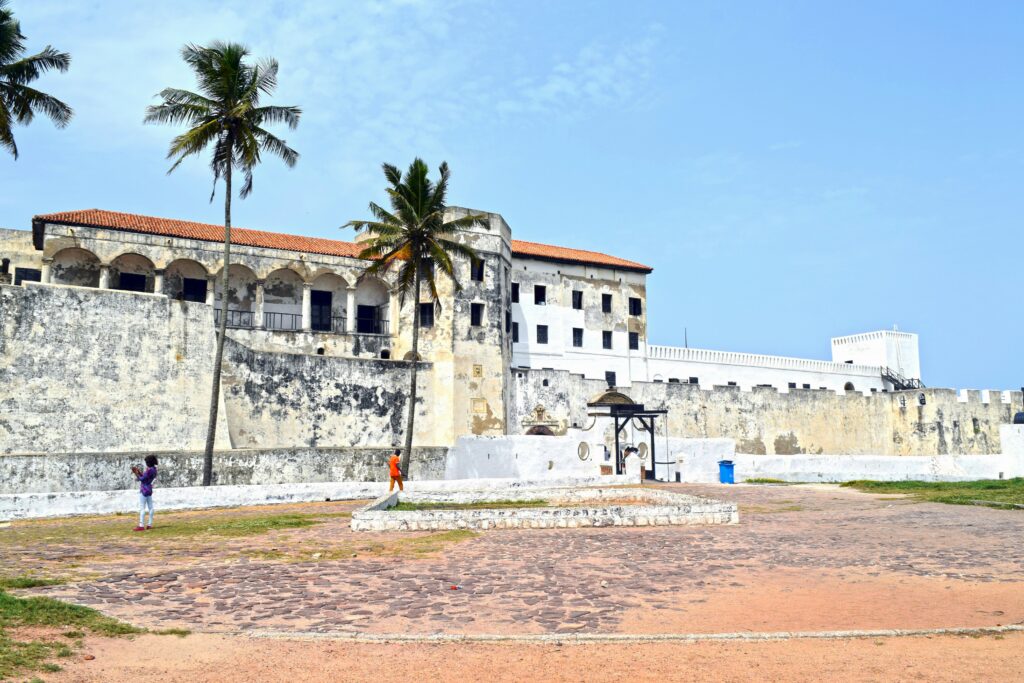
The following day, we visited Elmina Castle. Although the history shared similarities with Cape Coast Castle, the experience brought its own difficult moments.
We walked through the male and female dungeons and learned more about the conditions captives endured.
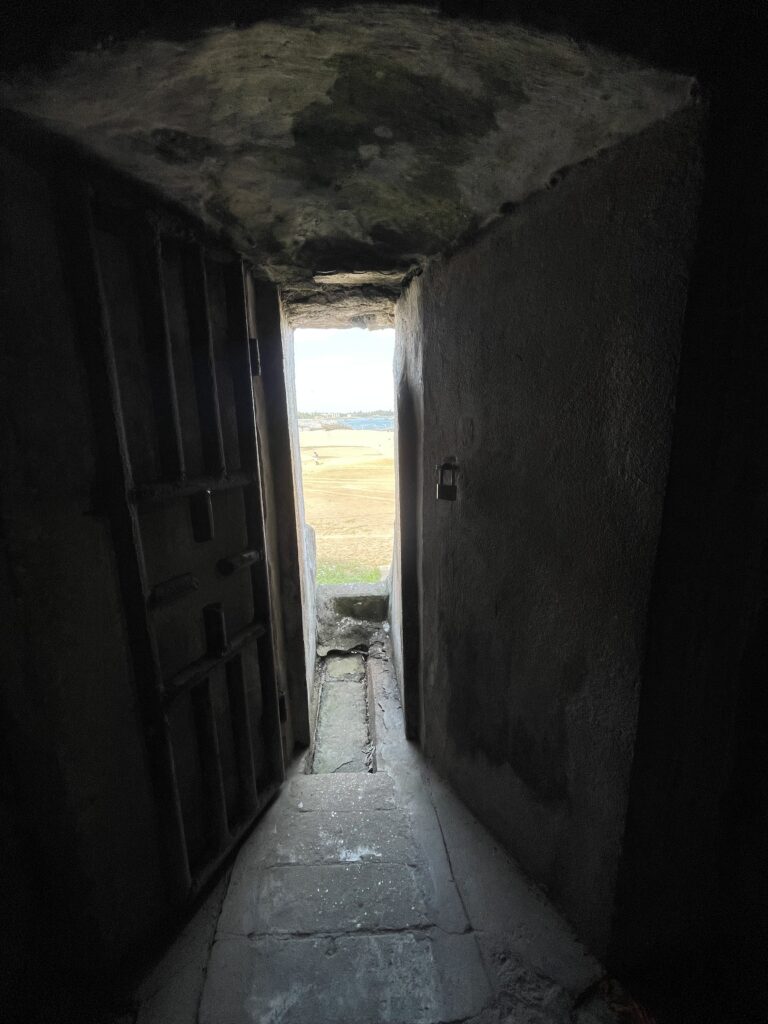
Seeing the original Door of No Return left a lasting impression. The doorway was remarkably narrow. Our guide explained that starvation had weakened the captives so severely that they could be forced through the small opening.
That detail stayed with me. It revealed another dimension of the cruelty inflicted on people who had already lost their freedom.
We also learned about a reenactment held in 2023. According to our guide, participants spent 12 hours inside the male dungeon to better understand the conditions enslaved Africans endured.
They reportedly struggled to tolerate even that limited period of confinement.
Hearing about their experience made me consider the suffering of those who had no choice, no freedom to leave, and no certainty about what awaited them.
No reenactment can fully reproduce those conditions or the suffering of the people who experienced them.
The castles were among the most emotionally demanding experiences of my time in Ghana.
I left with sadness, questions, and a deeper appreciation for the importance of preserving these places.
What affected me most wasn’t simply learning what happened. It was standing inside the actual spaces and recognizing the humanity of those who endured it.
There are parts of history that deserve more than a passing visit or a photograph.
Cape Coast and Elmina reminded me of that.
After the emotional weight of Cape Coast and Elmina Castles, our time along the coast offered a different kind of experience.
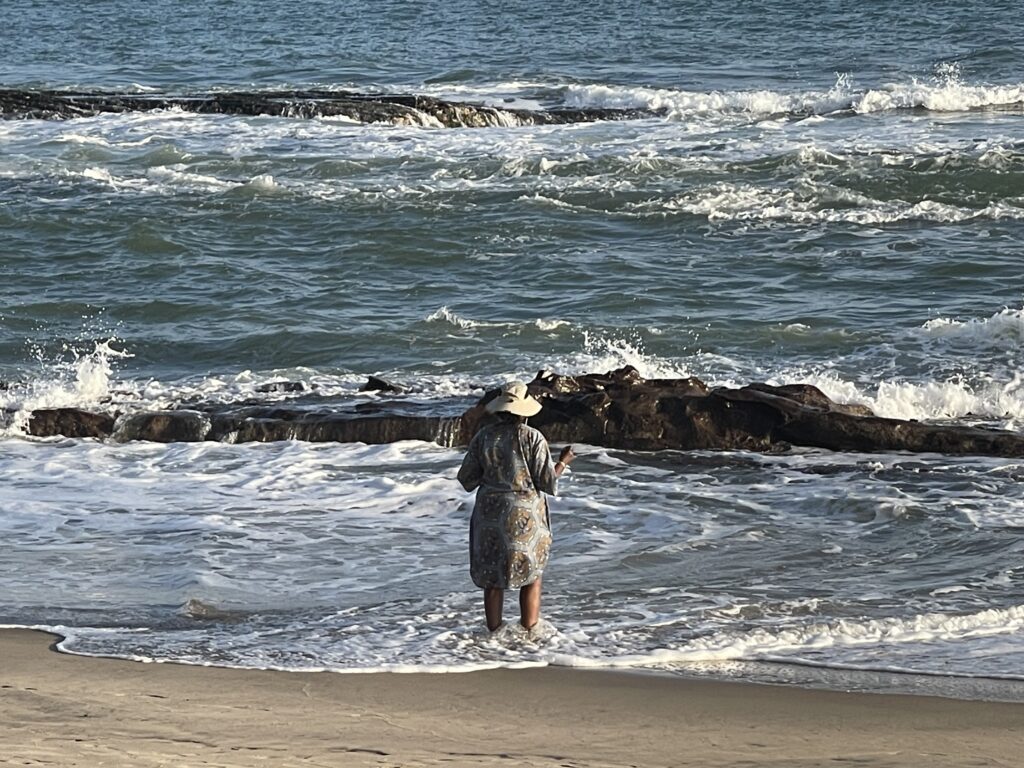
We visited Coconut Grove Resort for lunch and an opportunity to enjoy the ocean. The setting was beautiful, and I looked forward to spending some time in the water. However, the Atlantic had other plans.
The current was far too strong for swimming, so I settled for putting my feet in the water. Sometimes, that’s enough. After everything we had experienced, even a few quiet moments along the shoreline felt welcome.
Later, we returned to Lemon Beach Resort and spent time relaxing by the pool.
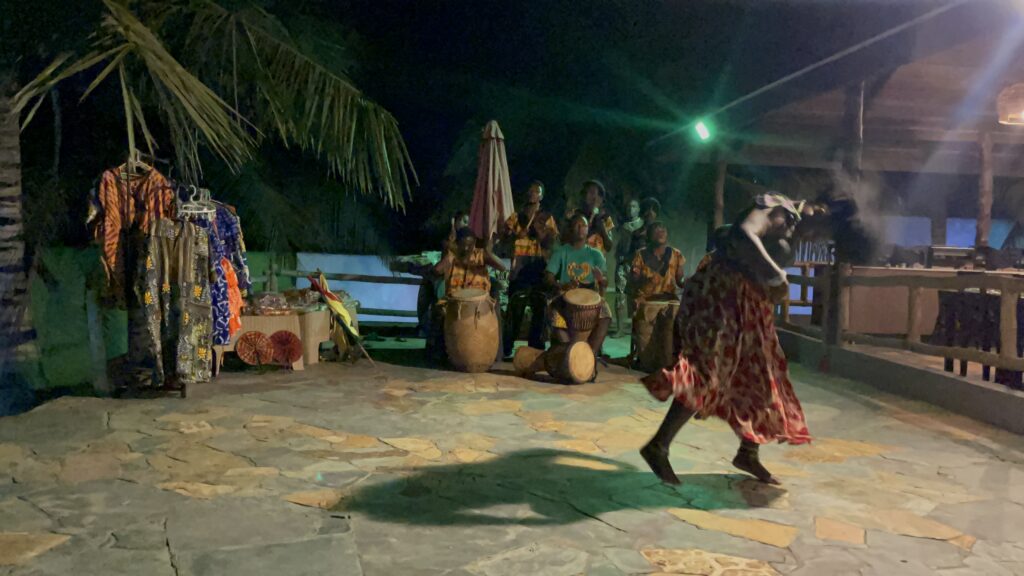
That evening, we enjoyed a cultural performance featuring traditional drumming, dancing, and a fire show. The dancers invited us to join them, and I happily participated.
After spending so much time reflecting on painful history, it felt good to experience another side of Ghana through music, movement, and celebration.
What stood out was how naturally these different experiences existed within the same journey.
One moment, I was standing inside a centuries-old castle, struggling to process the suffering that occurred there. Later, I was dancing alongside Ghanaian performers and enjoying the energy of the evening.
Neither experience diminished the other.
Instead, they reminded me that understanding a destination means making room for its difficult history and the everyday life continuing around it.
That contrast became one of the most memorable parts of my time along Ghana’s coast.
Traveling through Ghana gave me more than a collection of memorable experiences. It challenged some of my expectations and introduced me to aspects of the country I hadn’t fully understood before arriving.
In Accra, I found myself learning about the people and ideas that shaped Ghana’s modern history. Kumasi brought opportunities to participate in cultural traditions, meet artisans, and experience craftsmanship firsthand.
Cape Coast was different. The castles required me to confront painful history in a way that reading about it never could.
Yet some of the moments I appreciated most were less formal. Conversations with local residents, interactions with schoolchildren, music, and unexpected experiences made the journey feel more personal.
I returned home with a greater appreciation for the importance of allowing a destination to reveal itself beyond a planned itinerary.
Not every experience was comfortable or easy. Still, each contributed to what I took away from my first visit to Ghana.
And perhaps that’s what made the journey so meaningful. It gave me opportunities to learn, participate, reflect, and see things from a different perspective.
Some journeys stay with you because of the places you visit. Others remain with you because of how they change your perspective.
My first visit to Ghana gave me both.
From the energy of Accra to the cultural traditions of Kumasi and the emotional weight of Cape Coast, each destination left an impression that extended beyond the itinerary.
I returned home with wonderful memories, difficult reflections, and a deeper appreciation for the people and experiences that shaped my journey.
There are moments I will always remember, questions I will continue to consider, and places I hope to experience again.
Ghana gave me plenty to think about and even more reasons to return.
Explore more cultural journeys and travel inspiration at Simplistic Journeys.
