
Colorful streets, Caribbean rhythms, layered history, and life beyond the city walls. Cartagena rewards travelers who know what to expect—and leave room to experience it.
BY SIMPLISTIC JOURNEYS
Cartagena makes an unforgettable first impression. Colorful balconies spill over centuries-old streets, music drifts through lively plazas, and the Caribbean is never far away.
But there is more to this Colombian city than its photogenic Old City. What to know before visiting Cartagena begins with understanding the layers that make it distinctive: Colombian Caribbean culture, African and Indigenous influences, colonial history, neighborhood life, and easy access to the islands just offshore.
Knowing how those pieces fit together can make the difference between simply seeing Cartagena and actually experiencing it.
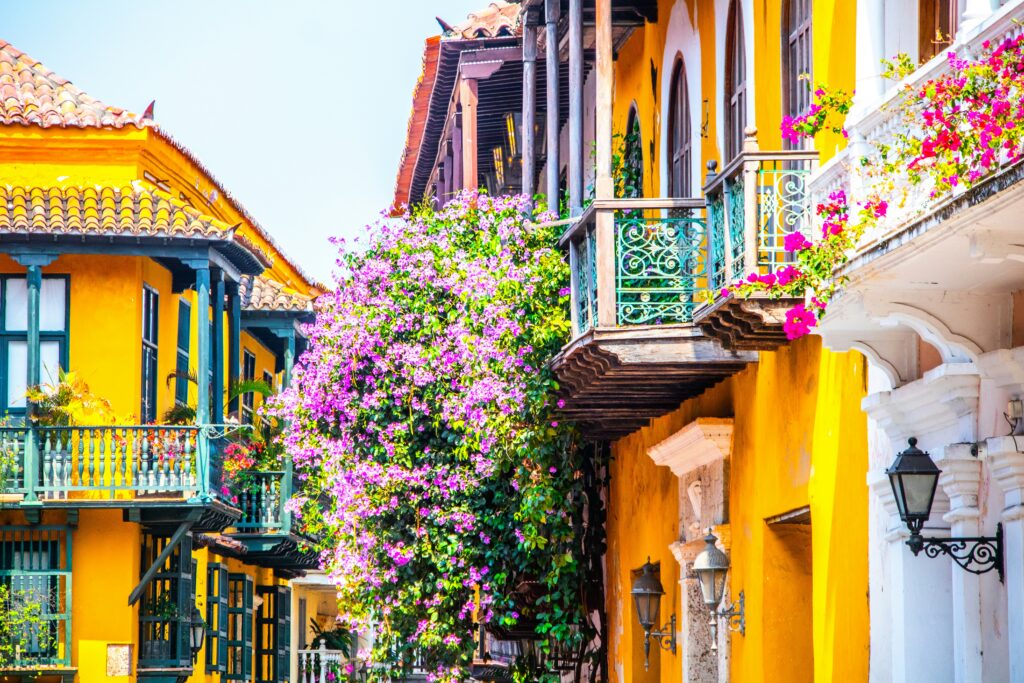
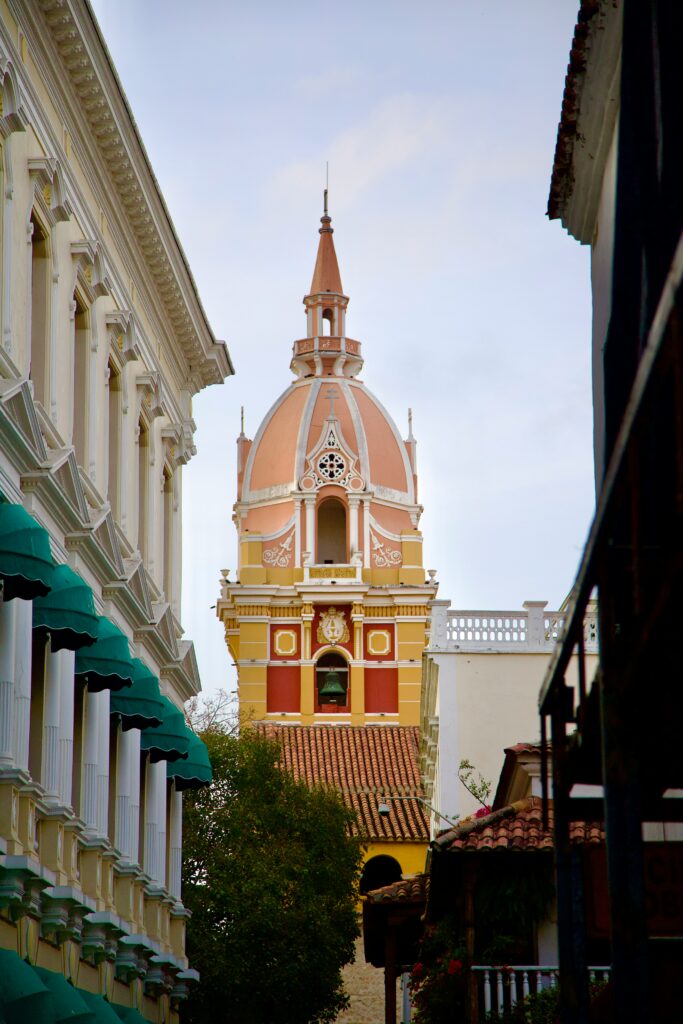
Cartagena’s historic center is made for wandering. Inside the walls, plazas, churches, colonial architecture, flower-filled balconies, and cobblestone streets reveal layers of the city’s past.
Give it time rather than treating it like a checklist. Walk early, before the heat builds. Return later for dinner and watch the streets take on a different energy as evening settles in.
Then step beyond the walls. Nearby Getsemaní brings another side of Cartagena into view, with colorful street art, neighborhood restaurants, music, and a strong local identity. Together, the two areas offer a fuller picture of the city—one rooted in history and still very much alive today.
“The best way to experience Cartagena is to leave room for the city to reveal itself.”
This sounds obvious. It is the Caribbean, after all.
But Cartagena’s tropical climate deserves to be factored into how you plan your days. Expect warm temperatures and humidity throughout the year, which can make a full day of sightseeing feel very different from what the temperature alone suggests.
Lightweight, breathable clothing, sunscreen, a hat, comfortable walking shoes, and plenty of water belong in the plan.
More importantly, don’t overschedule. Explore earlier in the day, slow down during the hottest hours, and head back out later. Cartagena is much more enjoyable when you work with the climate instead of trying to power through it.
Cartagena may be famous for its walls, but the Caribbean Sea is an equally important part of the experience.
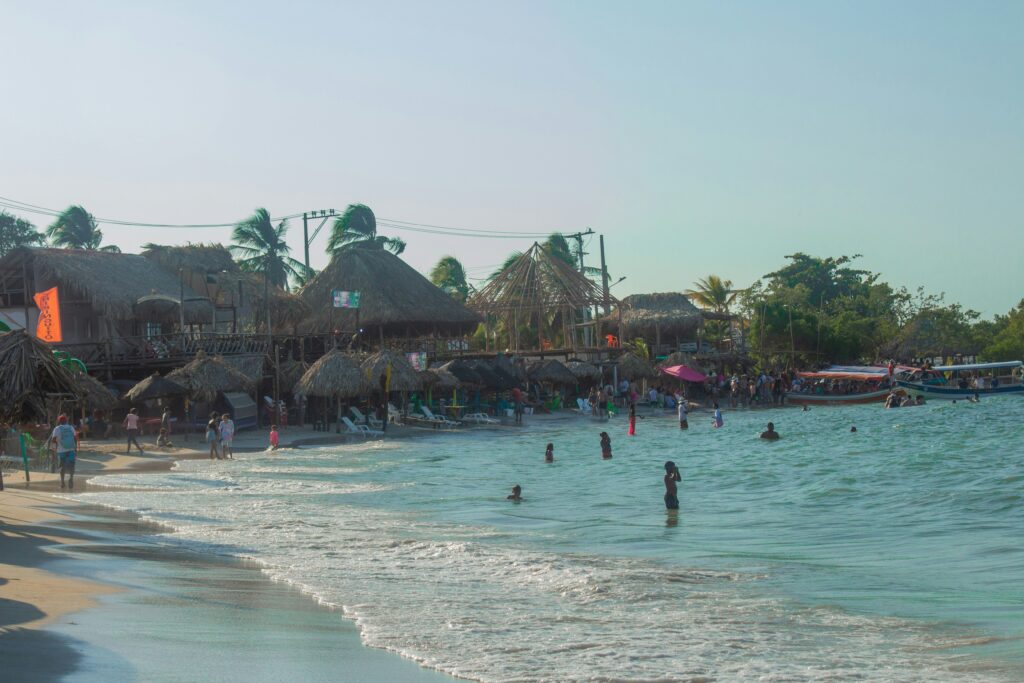
The Rosario Islands sit offshore from Cartagena, offering a completely different pace from the historic city. Clear water, coral reefs, beaches, and time away from the streets make an island day a welcome contrast after exploring on foot.
This is one place where the experience you book matters. Look beyond the cheapest excursion and pay attention to the boat, group size, the island or beach being visited, travel time, and exactly what is included.
A well-planned day on the water should feel like an extension of your Cartagena experience—not simply another box to check.
Where you stay can shape your entire Cartagena experience.
The Walled City puts you close to historic landmarks, restaurants, plazas, and much of the architecture travelers come to see. It is atmospheric and highly walkable, but it can also be busy, especially around the most visited streets and squares.
Getsemaní has its own personality. Once a working-class neighborhood outside the city walls, it is known today for colorful street art, music, restaurants, and an active social scene. It can be lively well into the evening, so location matters if quiet nights are important to you.
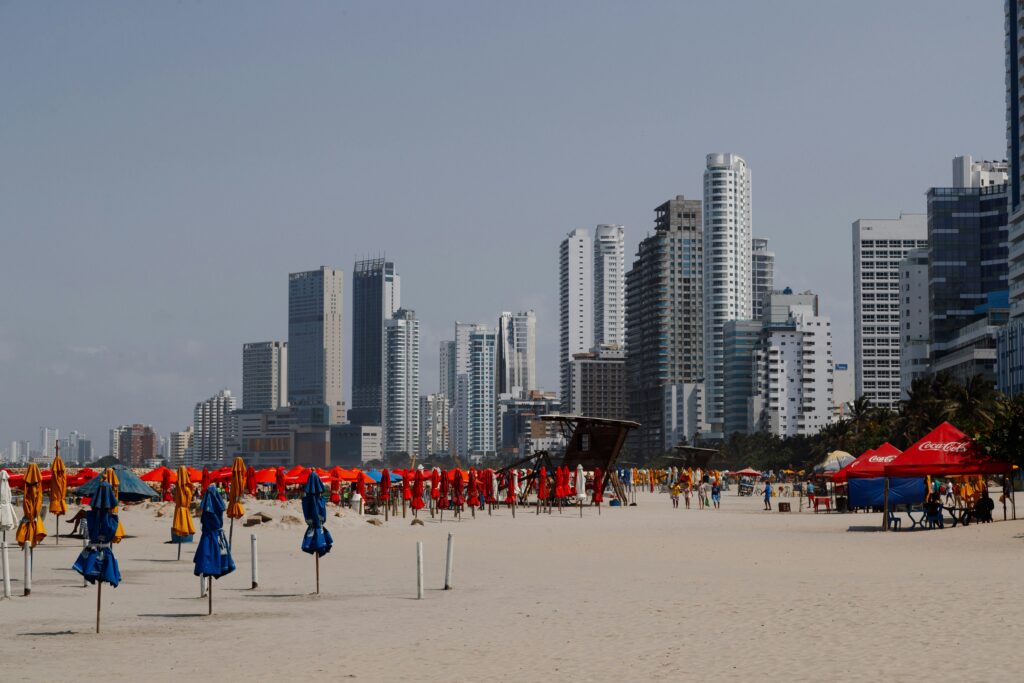
For travelers who prefer modern high-rises, larger hotels, and easier beach access, Bocagrande offers a very different version of Cartagena. It is convenient, but don’t expect the same historic atmosphere you’ll find inside the walls.
There isn’t one “best” area. The better question is which Cartagena experience you want to step into when you leave your hotel.
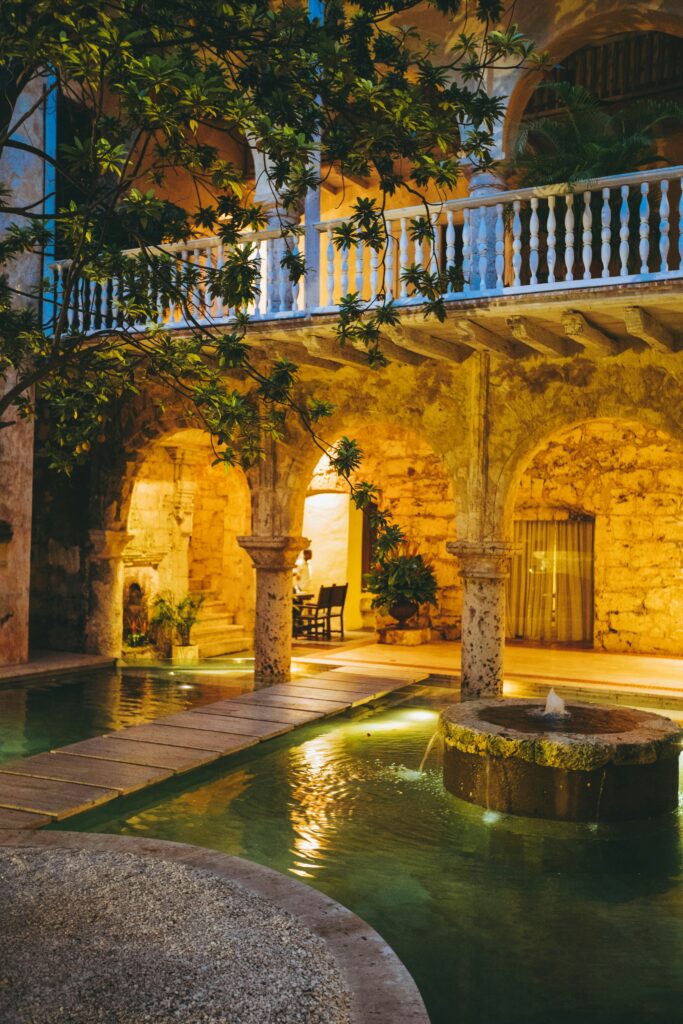
Cartagena is easy to enjoy, but a little preparation goes a long way. Keep these practical details in mind before you arrive.
Cash still comes in handy.
Credit cards are widely accepted at hotels, restaurants, and many established businesses, but Colombian pesos are useful for smaller purchases, tips, street vendors, and some taxis.
Agree on taxi fares before you ride.
Traditional taxis in Cartagena generally do not use meters. Confirm the price with the driver before getting in, particularly for rides around tourist areas.
Expect vendors to approach you.
Street vendors are part of the experience in busy areas. If you’re not interested, a polite but firm “no, gracias” is usually enough. You don’t need to engage with every sales pitch.
Ask before photographing people.
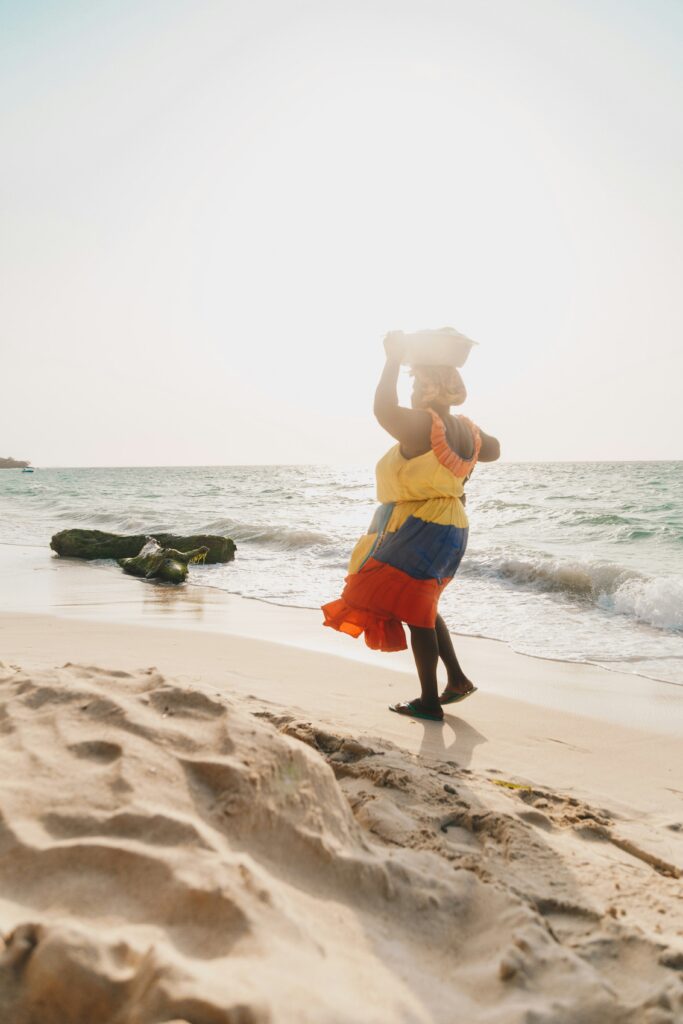
Cartagena’s Palenqueras are often photographed because of their colorful traditional dress, but remember that they are people working—not photo props. Ask permission and expect to pay an agreed amount for posed photographs.
Use normal city awareness.
Keep valuables secure, be thoughtful about displaying expensive jewelry or electronics, and pay attention to your surroundings, particularly at night or away from heavily traveled areas.
Cartagena’s beauty is easy to photograph. Understanding the city requires looking beyond the façades.
The city’s identity has been shaped by Indigenous, Spanish, and African histories, including Cartagena’s role as a major port in the transatlantic slave trade. That history remains connected to the culture of Colombia’s Caribbean coast today.
One important part of that story is San Basilio de Palenque, located outside Cartagena. Founded by people who escaped slavery, Palenque developed its own cultural traditions and language and is recognized by UNESCO for its cultural heritage.
The brightly dressed Palenqueras seen throughout Cartagena trace their heritage to this community. Their colorful dresses and fruit baskets have become one of the city’s most recognizable images, but their presence carries a history deeper than the photographs travelers often take home.
You don’t need to turn every vacation into a history lesson. But knowing something about the people, traditions, and stories behind a destination changes the way you experience it.
Cartagena feels different once the sun goes down.
The heat softens, restaurant tables fill, music spills into the streets, and plazas that you may have walked through earlier in the day take on a completely different energy.
This is a good time to slow down rather than pack in another round of sightseeing. Have dinner, find a rooftop with a view, listen to live music, or simply walk through the Walled City and Getsemaní as the evening unfolds.
Nightlife here can range from relaxed cocktails and intimate restaurants to salsa clubs and much livelier venues. You don’t have to participate in all of it to enjoy Cartagena after dark. Choose the version of the evening that fits the way you like to travel.
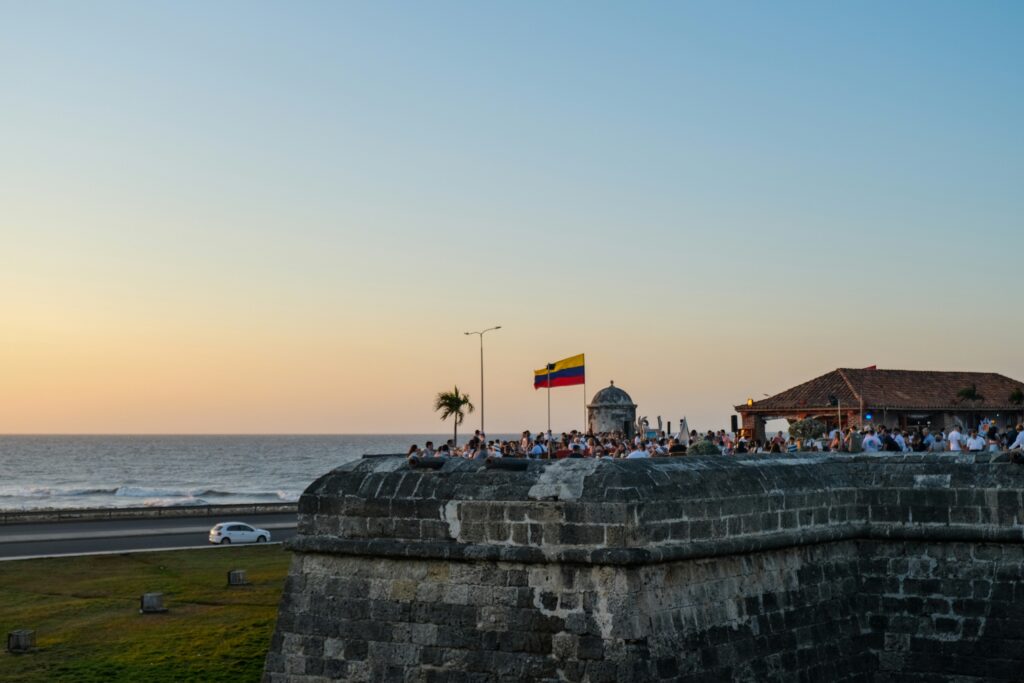
Cartagena is the kind of destination that can easily be reduced to a few familiar images: colorful balconies, cobblestone streets, Caribbean water, and sunset from the city walls.
But the city becomes more interesting when you give it time.
Walk the historic center without rushing. Spend time in Getsemaní. Learn some of the history behind what you’re seeing. Make room for an afternoon on the water, a long dinner, and an evening when you have nowhere in particular to be.
The goal isn’t to see every corner of Cartagena. It’s to leave with a better sense of the place than you had when you arrived.
History, Caribbean culture, neighborhood life, and the sea come together in a city that deserves more than a passing visit.
Cartagena works best when you resist the urge to experience it as one long checklist.
Give the city enough time to move between its different layers—the history inside the walls, the energy of Getsemaní, the Caribbean beyond the shoreline, and the everyday rhythm that exists between them.
Stay where the experience fits you
Historic atmosphere, neighborhood energy, or modern beachfront—your location changes the trip.
Build around the heat
Earlier starts and slower afternoons make exploring far more enjoyable.
Make room for the water
Cartagena and the Caribbean belong in the same itinerary.
Travel with context
Understanding some of the history behind the city adds meaning to what you see.

Let Simplistic Journeys help you turn inspiration into a thoughtfully planned Caribbean escape.